

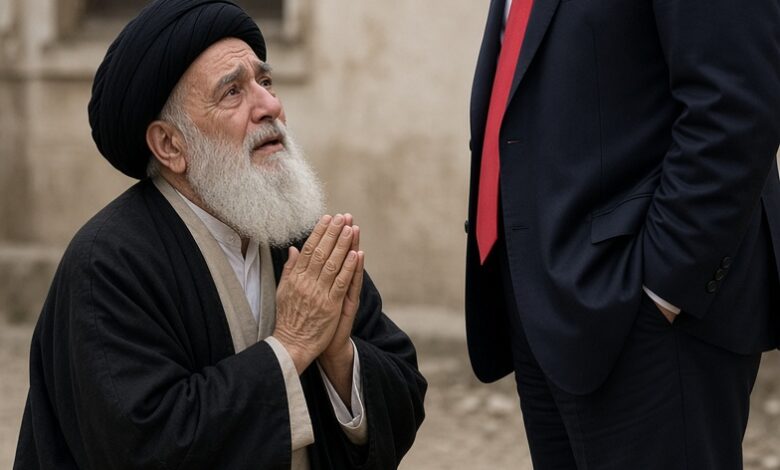
Tehran and the Democrats’ War Problem
Donald Trump just keeps winning. And the conflict with Iran is no different.
I have met with a few people who fancy themselves war strategists, and they love to explain to me how war is supposed to be fought.
There are rules, traditions, doctrines, and apparently a handbook that Trump never bothered to read.
They tell me Trump violates the established conventions of warfare.
And I remind them that the British had a pretty impressive understanding of conventional warfare when they marched into the American Revolution. They had the greatest military in the world, trained soldiers, overwhelming resources, and a rather high opinion of themselves.
It didn’t work out particularly well for them.
In fact, their tactics helped produce the very nation where I was born.
One colonel put it to me rather bluntly: “Kevin, nobody stops and starts a war!”
To which I responded: “Trump does.”
And that gets to something I said on my radio show: Trump’s war with Iran didn’t begin when the first missiles flew. The war began long before that.
Trump went to war with Iran’s economy.
He went after the money. He went after the oil. He went after the ships carrying the oil, the companies buying it, the banks moving the money, the shadow networks hiding it, and eventually the machinery Iran used to turn that money into missiles, drones and mayhem.
And unlike the traditional battlefield, there was no need to fire a shot to start that war.
That economic war never stopped.
So before we start arguing about whether Trump fights wars the way wars have traditionally been fought, perhaps we should take a look at what he actually did to Iran’s economy, how relentlessly he squeezed it, and how the economic battlefield was prepared long before the missiles ever started flying.
Because the story of Trump’s war with Iran doesn’t begin with an explosion.
It begins with a chokehold.
Trump’s Second-Term Economic Pressure Campaign Against Iran
February 4, 2025 | Trump Restores “Maximum Pressure” on Iran
President Trump signed National Security Presidential Memorandum 2, formally restoring the maximum-pressure campaign against Iran.
The directive ordered the administration to deny Iran access to revenue, intensify sanctions enforcement, target Iran’s oil revenues, and work toward reducing Iranian oil exports to zero.
The memorandum specifically directed the Treasury Department to impose sanctions and pursue enforcement against people and entities helping Iran evade existing sanctions. It also called for denying Iran and its terrorist proxies access to financial resources.
White House: National Security Presidential Memorandum 2
February 6, 2025 | Iran’s Military Oil Network Targeted
Just two days later, Treasury began executing the new strategy.
The administration sanctioned an international network responsible for moving millions of barrels of Iranian crude oil worth hundreds of millions of dollars to China on behalf of Iran’s Armed Forces General Staff.
The network included companies and individuals in China, India and the UAE, along with vessels involved in transporting the oil.
The significance was straightforward: Iran’s military wasn’t simply benefiting from oil revenue indirectly. It had established its own network for turning Iranian petroleum into cash.
Treasury: Oil Network Generating Hundreds of Millions for Iran’s Military
February 24, 2025 | The Iranian “Shadow Fleet” Gets Hit
Treasury sanctioned more than 30 people and vessels involved in brokering, transporting and selling Iranian petroleum.
The targets included oil brokers in Hong Kong and the UAE, tanker operators in India and China, the head of Iran’s National Iranian Oil Company and the Iranian Oil Terminals Company.
The vessels involved had transported tens of millions of barrels of Iranian crude worth hundreds of millions of dollars.
This was the beginning of a recurring strategy: make every link in Iran’s oil supply chain financially radioactive.
Treasury: Iran’s Shadow Fleet Sanctions
March 13, 2025 | Iran’s Oil Minister and Oil Fleet Targeted
The administration escalated by sanctioning Iranian Petroleum Minister Mohsen Paknejad, who oversees Iran’s oil industry and its exports.
Treasury simultaneously sanctioned companies and vessels in China and India involved in delivering Iranian oil to China.
The stated objective was to put additional pressure on Iran’s “shadow fleet” and advance Trump’s commitment to reducing Iranian oil exports to zero.
Treasury: Sanctions on Iran’s Oil Minister and Shadow Fleet Operators
April 1, 2025 | Iranian Weapons Procurement Networks Targeted
Treasury and the Justice Department sanctioned a procurement network operating through Iran, the UAE and China that obtained components for Iranian UAVs and other military programs.
The network supplied Iran’s military-industrial complex, including manufacturers associated with its drone and missile programs.
This expanded the economic pressure beyond oil. The administration was beginning to attack the supply side of Iran’s military economy, making it harder for Tehran to turn money into weapons.
Treasury: Iranian Weapons Procurement Network
April 2, 2025 | Wall Street and Global Banks Pulled Into the Pressure Campaign
Treasury Secretary Scott Bessent convened representatives from 16 major global financial institutions and federal law-enforcement agencies to coordinate efforts to deny Iran access to the international financial system.
The meeting focused specifically on Iran’s oil networks and its “shadow banking” system.
This is an important part of the strategy because sanctions work only if banks, insurers, shipping companies and financial institutions actually enforce them.
Treasury: FinCEN Maximum Pressure Campaign Against Iran
April 10, 2025 | Iran’s Shipping Middlemen Targeted
Treasury sanctioned a UAE-based shipping businessman and companies controlling a fleet of nearly 30 vessels involved in transporting Iranian petroleum.
The ships used ship-to-ship transfers and falsified documentation to disguise Iranian oil and get it into international markets.
The administration was essentially attacking Iran’s ability to hide the origin of its product.
Treasury: Network Transporting Iranian Petroleum
April 16, 2025 | Chinese “Teapot” Refinery Sanctioned
This was a significant escalation because the administration went after the buyer, not merely the seller.
Treasury sanctioned China’s Shandong Shengxing Chemical refinery for purchasing more than $1 billion worth of Iranian crude oil.
The message was unmistakable: If Iran’s customers help keep its oil economy alive, they can become targets too.
Treasury: Pressure on Chinese Importers of Iranian Oil
April 22, 2025 | Iranian LPG Network Targeted
Treasury sanctioned Iranian LPG magnate Seyed Asadoollah Emamjomeh and his corporate network.
The network was responsible for shipping hundreds of millions of dollars worth of Iranian liquefied petroleum gas and crude oil into foreign markets.
The pressure campaign was therefore expanding beyond crude oil to other petroleum products that generated hard currency for Tehran.
Treasury: Iran LPG and Oil Network
May 13, 2025 | Nearly Two Dozen Oil Companies Targeted
Treasury sanctioned nearly two dozen companies operating across multiple jurisdictions and involved in virtually every stage of Iran’s illicit international oil trade.
At this point, Treasury said the Trump administration had conducted 19 Iran-related enforcement actions, sanctioning 253 individuals, entities and vessels.
The strategy was becoming comprehensive: producers, brokers, shippers, buyers and financial facilitators were all being squeezed.
Treasury: Global Network Shipping Iranian Oil
June 6, 2025 | Iran’s Shadow-Banking System Targeted
This may be one of the more consequential moves that gets overlooked.
Treasury sanctioned more than 30 individuals and entities tied to a network that had allegedly laundered billions of dollars through Iranian exchange houses and foreign front companies.
The network helped Iran move money generated from oil and petrochemical sales through the international financial system.
Treasury simultaneously issued new guidance to financial institutions on identifying Iranian oil-smuggling, shadow-banking and weapons-procurement activity.
The administration was now attacking the financial plumbing that allowed Iran to turn sanctioned oil into usable money.
Treasury: Iranian Shadow Banking Network
July 30, 2025 | The Shamkhani Shipping Empire Gets Hammered
Treasury announced what it called its largest Iran-related sanctions action since 2018.
More than 50 individuals and entities were designated and more than 50 vessels identified in a massive shipping empire controlled by Mohammad Hossein Shamkhani, son of a senior Iranian political figure.
The network transported oil and petroleum products from Iran and Russia and generated tens of billions of dollars in profits.
The action went after one of the most important mechanisms available to Iran’s political elite for converting petroleum into wealth.
Treasury: Massive Action Against High-Profile Iranian Network
October 9, 2025 | Iran’s Energy Export Machine Targeted
Treasury sanctioned more than 50 people, companies and vessels involved in Iranian petroleum and LPG exports.
The targets included:
- nearly two dozen shadow-fleet vessels;
- a Chinese crude-oil terminal;
- a Chinese “teapot” refinery; and
- companies moving hundreds of millions of dollars of Iranian LPG.
Treasury described the objective bluntly: degrade Iran’s cash flow by dismantling key elements of its energy-export machine.
Treasury: Iran’s Energy Export Machine
November 20, 2025 | Iran’s Military Oil Revenue Targeted
Treasury went directly after companies and shipping facilitators selling Iranian crude on behalf of Iran’s armed forces.
Six additional vessels were added to the sanctions campaign.
The rationale was particularly important: Iran’s military had increasingly come to depend on oil sales to supplement its government budget and finance the rebuilding of its military capabilities.
Treasury: Iran’s Oil Network Supporting Its Military
December 18, 2025 | 29 More Shadow-Fleet Vessels Sanctioned
Treasury sanctioned 29 additional shadow-fleet vessels and their management companies.
The vessels had transported hundreds of millions of dollars worth of Iranian petroleum products.
Treasury said that since Trump returned to office, the administration had sanctioned more than 180 vessels responsible for transporting Iranian petroleum and petroleum products.
The cumulative effect was designed to increase the cost and risk of getting Iranian oil to market while reducing the amount of money Tehran actually received for each barrel.
Treasury: 29 Additional Shadow-Fleet Vessels
2026: The Pressure Campaign Gets More Aggressive
January 23, 2026 | Iran’s Oil Fleet Hit Again
Treasury sanctioned nine additional shadow-fleet vessels and their owners or management companies.
The vessels had collectively transported hundreds of millions of dollars worth of Iranian oil and petroleum products.
The action came as the Iranian regime was simultaneously cracking down on domestic protesters.
The economic objective remained the same: cut the revenue available to the regime while making it more difficult to finance its security apparatus, weapons programs and foreign proxies.
Treasury: Iran Shadow Fleet and Oil Export Facilitators
February 25, 2026 | Oil Revenue and Missile Supply Chains Attacked Together
Treasury sanctioned more than 30 individuals, companies and vessels involved in Iranian petroleum sales and ballistic-missile and advanced-weapons production.
Twelve shadow-fleet vessels were targeted, along with networks supplying Iran’s military with precursor chemicals and specialized machinery.
This is an important evolution in the campaign. Washington wasn’t merely trying to deprive Iran of money. It was simultaneously attacking the mechanisms that turn whatever money Iran retains into military capability.
Treasury: Iran’s Shadow Fleet and Missile Networks
April 24, 2026 | China’s Oil Buyers Targeted Again
Treasury sanctioned China’s Hengli Petrochemical refinery, one of Iran’s largest customers for crude and petroleum products.
The refinery had purchased billions of dollars worth of Iranian petroleum.
Treasury simultaneously targeted 40 shipping firms and vessels involved in the Iranian oil trade.
The message to China was becoming increasingly difficult to misunderstand: buy Iranian oil and you expose yourself to American sanctions.
Treasury: Economic Fury Targets Iran’s Global Oil Network
May 8, 2026 | Iranian Weapons Procurement Networks Hit
Treasury targeted 10 individuals and companies operating across the Middle East, Asia and Eastern Europe that were helping Iran acquire weapons, raw materials and components for its Shahed drones and ballistic missiles.
This further restricted Iran’s ability to use international suppliers to rebuild its military-industrial base.
Treasury: Economic Fury and Iranian Weapons Networks
May 11, 2026 | IRGC Oil Operations Targeted
Treasury sanctioned 12 individuals and entities involved in helping the Islamic Revolutionary Guard Corps sell and ship Iranian oil to China.
The IRGC was using front companies and intermediaries to obscure its involvement and funnel oil revenue back into the Iranian regime.
The administration was therefore going directly after the IRGC’s ability to turn petroleum into foreign currency.
Treasury: Economic Fury Targets IRGC Oil Operations
May 19, 2026 | Iran’s Foreign-Currency and Shadow-Banking Networks Targeted
Treasury sanctioned more than 50 companies, individuals and vessels.
Among the targets was an Iranian foreign-currency exchange house and associated front companies accused of conducting hundreds of millions of dollars in transactions on behalf of sanctioned Iranian banks.
Treasury also blocked 19 vessels involved in Iranian petroleum and petrochemical shipments.
This is where the campaign becomes particularly interesting economically: the United States was attacking both the revenue source and the machinery Iran uses to convert that revenue into usable foreign currency.
Treasury: Economic Fury Targets Iran’s Financial Networks
May 28, 2026 | Iran’s Military Oil Sales Targeted Again
Treasury imposed additional sanctions on networks used by Iran’s military to sell crude oil through front companies.
The administration explicitly described the objective as preventing Iran from using oil revenue to reconstitute its armed forces and military capabilities.
Treasury: Economic Fury Targets Iranian Military Oil Revenue
May 29, 2026 | Iran’s Military Procurement Fraud Network Targeted
Treasury, working with the Justice Department and FBI, targeted an Iranian procurement network that allegedly impersonated and defrauded American companies to obtain restricted goods for Iran’s Ministry of Defense.
This attacked another economic vulnerability: Iran’s ability to circumvent export controls by using deception to buy American technology and equipment through intermediaries.
Treasury: Economic Fury Targets Iranian Procurement Network
June 2, 2026 | Iran’s Cryptocurrency Infrastructure Targeted
Treasury sanctioned Nobitex, Iran’s largest cryptocurrency exchange, along with three other Iranian digital-asset exchanges.
The administration accused the exchanges of facilitating sanctions evasion and helping the regime move money outside traditional financial channels.
Treasury said its broader campaign had contributed to the freezing of nearly $500 million in regime-linked cryptocurrency.
This was the financial equivalent of closing another tunnel under the sanctions wall.
Treasury: Economic Fury Targets Iran’s Digital-Asset Infrastructure
June 10, 2026 | Foreign Procurement Networks for Iran’s Military Targeted
Treasury sanctioned nine individuals and entities involved in supporting Iranian weapons procurement.
The targets included companies and individuals in China and Hong Kong, including a company operating within Iran’s clandestine banking network.
The action was designed to disrupt the foreign procurement and financial networks that allowed Iran to obtain weapons and components for its military.
Treasury: Economic Fury Disrupts Iranian Military Networks
The Strategy in One Sentence
What Trump has done in his second term is not simply “put sanctions on Iran.”
He has systematically attacked the Iranian regime’s economic ecosystem:
Oil production → oil buyers → tankers → brokers → front companies → banks → currency exchanges → cryptocurrency → weapons procurement → military financing.
And that is the part of the story that can get lost when every individual Treasury action is reported as just another sanctions announcement.
By June 2026, Treasury said the administration had sanctioned more than 1,000 Iran-related persons, vessels and aircraft since February 2025, while describing the campaign as having disrupted tens of billions of dollars that otherwise could have reached the Iranian regime and its proxies.
And where are we today?
Iran is begging for mercy. So much so that the media is finally forced to back off of their nonsense.
As for the comments from the war strategists, I say, “You are right. A commander in chief should never stop a war in progress. And Trump never did.