
Nine more children had been reunited with their families in the midst of the Russia-Ukraine war.
I suspect the parents of those children got their Christmas presents a little early this year.
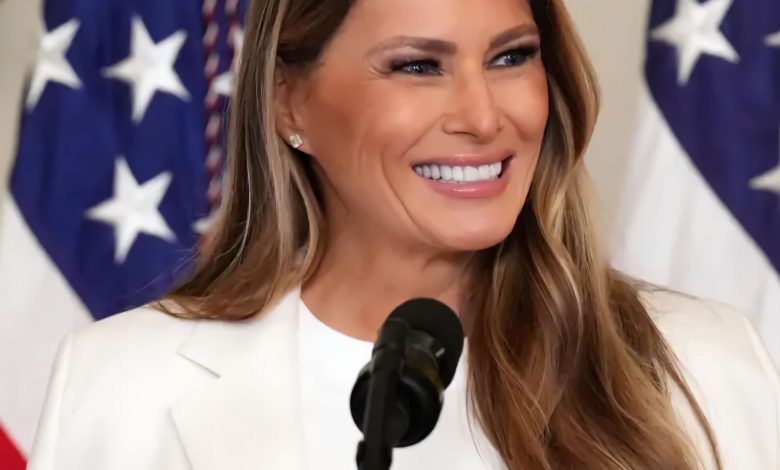
This marks the seventh group of children reunited with their loved ones as a result of Melania’s efforts, bringing the total to 43. And she managed to do this with the cooperation of two men who have been trying for years to defeat each other.
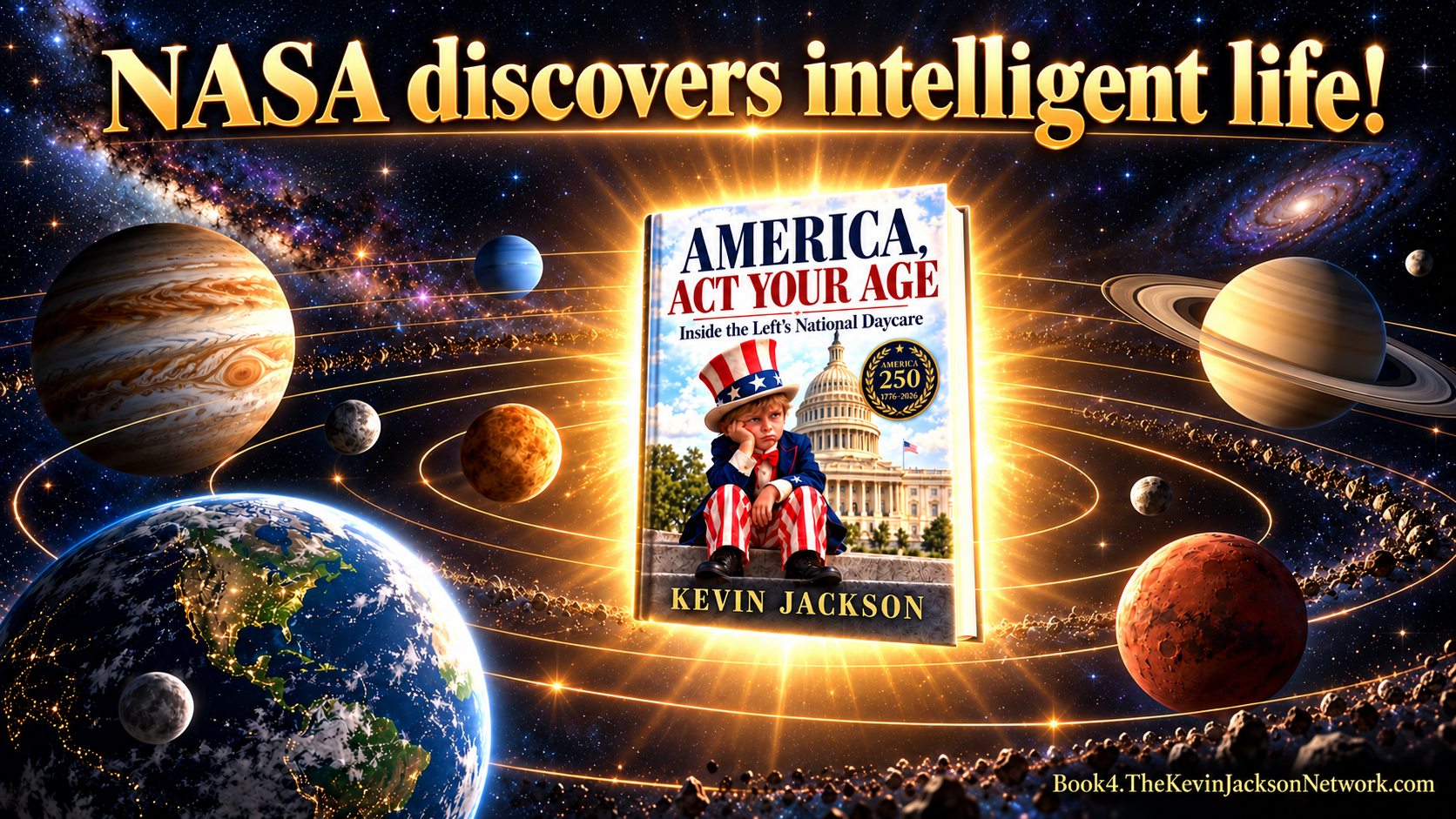 In America, Act Your Age, I discuss what used to constitute a rite of passage in America. At some point, a person who had relied on others for protection acquired the responsibility to protect others. And this week, Melania Trump provided a wonderful example of what that looks like when someone with extraordinary access decides to put it to use.
What intrigues me about Melania’s involvement in this war is where she started.
She didn’t set out to determine the precise location of a geopolitical border, or how much territory one man should give to another. She found something about which the people on either side of that border might agree. Children ought to be with their families.
Now she had something to work with.
In August of 2025, Melania gave her husband a letter to deliver to Vladimir Putin when the two men met in Alaska. She wanted to draw his attention to the plight of children. It has been more than a year since that meeting, and she is still at it.
And consider what she was able to do with the relationships she developed in the process. In late October, she helped broker a temporary ceasefire in and around the Ukrainian city of Oleshky. For six days, people had an opportunity to get out of town, and essential supplies were brought in. Approximately 800 people evacuated.
What would you have given for six days of relative peace if your children were living there?
On November 5, she brought officials from Russia and Ukraine together at the White House. According to the First Lady, the two governments had signed written agreements recognizing her role in bringing them together for the humanitarian operation. Ukraine honored her with the Order of Princess Olga, First Class.
At that meeting, Melania had arranged for the visitors to see two historical items. One was an old medicine chest taken from the White House after the British burned it during the War of 1812. The other was a presentation cup given to France’s ambassador for his involvement in negotiating an end to the Spanish-American War.
I liked her choice of the medicine chest. Imagine telling an American in 1814 that two centuries later we would be inviting British royalty over for dinner. The British have been considerably better houseguests since then, by the way. Nobody has set fire to the place.
The accomplishments of earlier generations allowed the rest of us to inherit a friendship that once would have seemed inconceivable. And imagine what future generations of Russian and Ukrainian children stand to inherit if their leaders can eventually learn to settle their differences.
We have an interesting idea of power in America.
We like to measure it by the size of the budget a person controls, the number of employees who report to her, or how often she shows up on television. I wonder how Melania Trump would fare on the television analysts’ list of powerful women if we measured power by how many things a woman actually accomplished that other people couldn’t.
Here you have a woman who neither commands a military nor serves as secretary of state. Yet she was able to persuade representatives of two governments at war to come into the same room and work together on something important. The men running those governments have entire bureaucracies at their disposal. Melania brought something they could both recognize: the obligations of a parent.
And that’s an important distinction that gets lost in politics. We have made a profession out of telling people what side they must choose before they can care about something. I don’t have to choose a Russian child over a Ukrainian child. I don’t have to approve of Putin, Zelensky, or any particular aspect of American foreign policy to understand what a reunion means to one of those families.
I learned early in life how consequential it is when an adult decides to take an interest in the fate of a child. My mother died before I turned five. My father was in San Quentin at the time. My grandparents stepped in and raised me. Later, another family saw possibilities in me that they were willing to help me pursue.
And their investment paid off.
They gave me the opportunity to grow into somebody who could do the same for another person. It’s one of the reasons I have devoted part of my life to helping kids find their voices and discover that their circumstances need not determine their futures.
The adults in my life couldn’t change what had happened to my parents. They could change what happened to me next.
That’s what makes Melania’s work so compelling to me. She didn’t wait until the entire war could be resolved before doing something about its consequences for children. She went after a result she could achieve, and then she went back and did it again. Perhaps the diplomacy community should pay more attention to that strategy. When you accomplish one thing together, you establish some credibility for the next conversation.
I don’t know what those nine children will remember about November 25, 2026. Nor do I need to know their names, see photographs of their reunions, or hear them recount the worst experiences of their young lives. They ought to have an opportunity to get back to the business of being children.
In my book, I make the case that we have confused adulthood with the privileges that come with it.
Melania reminds us what the responsibilities look like. Her position gave her a means of reaching the people who could change those children’s circumstances, and she took it upon herself to do so.
On Thanksgiving, millions of American families will gather together. Some of us will argue over politics. Somebody will eat more than his doctor recommended. Somebody else will quietly put away the last piece of pie before the other guests discover it exists.
And somewhere in the world, nine children have been given something that no amount of money spent on Thanksgiving dinner could buy.
They’re home.
Thank you, Melania.
Read the free prologue to America, Act Your Age: