
Jason Short, born 1978 in Painesville, Ohio, a town that had more Black kids than the national average.
He attended Riverside High, and became that linebacker who runs like the rent’s due and hits like he owes money. Football teams in that era weren’t exactly United Nations diversity seminars—they were meritocracies with mouthguards.
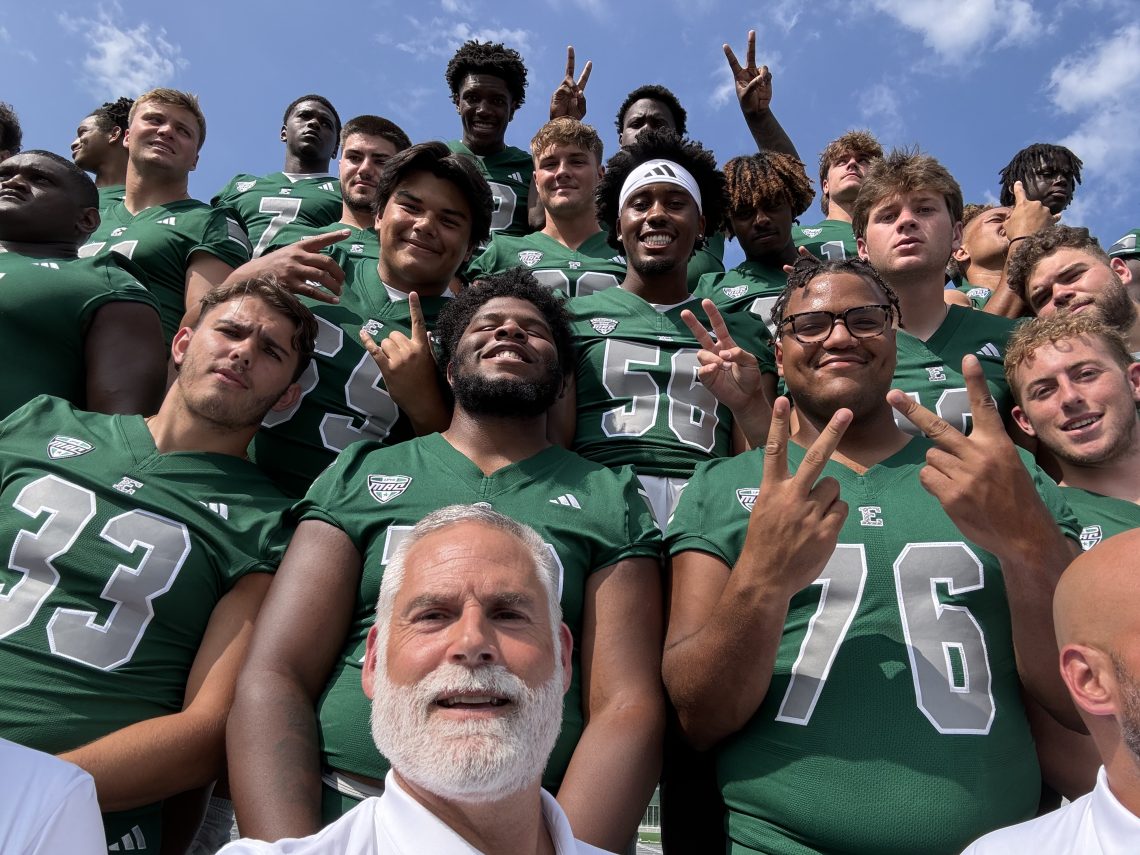
Black dudes balling out, White dudes grinding, everybody bleeding the same color. No viral videos of Jason Short burning crosses between practices. Just pads, sweat, and the occasional “n*gga” flying around the locker room the way athletes do when adrenaline’s high.
Fast-forward. Eastern Michigan. Captain as a senior. Then NFL: Eagles, Browns. A league where Black players have been the majority for decades—53 to 70 percent depending on whose count you trust this week.
Short played in Philadelphia and Cleveland, cities that aren’t exactly mayonnaise festivals.
He lived the Black experience. Breathed it. Tackled it.
And somehow, the man who spent more time in integrated huddles in a week than most DEI consultants have in their entire careers becomes Public Enemy Number One for… noticing patterns.
The trigger was pure 2026 gold. Some creator posts about the Karen Read mess in Massachusetts—cops Sean Goode and Michael Proctor caught with text messages that read like a rejected *Chappelle’s Show* sketch, full of slurs and bad decisions.
Short jumps in, no chaser: “Dealing with the worst of the n-words on the planet would be an awful job.” Having them off the street? Blessing to every race. Even Black folks should be sending thank-you cards instead of lawfare.
Then he draws the line sharper than a referee’s whistle: good Black people exist; pieces of shit exist too. And people like you, peddling victim mode? Clown behavior. White people are sick of it.
Cue the fainting couches from coast to coast.
“Racist!” they scream, as if the word still had calories left after being deep-fried in every rap verse, comedy special, and casual conversation since the ’80s. The influencer spins it into content. Comments flood in demanding Short explain himself.
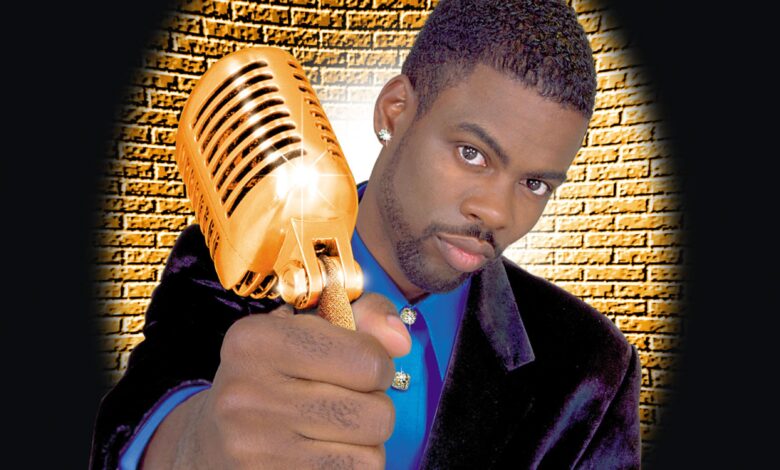
Short said exactly what Chris Rock said about two decades ago.
Rock stood on stage in ’96, cataloging the exact subset that ruins block parties, movies, and entire neighborhoods: the ones glorifying ignorance, shooting at the screen, turning every opportunity into a participation trophy for chaos. America nodded. Laughed. Recognized.
Short, years later, says the polite gridiron version from lived experience, and suddenly it’s a federal case.
The same crowd that defends “artistic expression” in music videos full of body counts now pretends to cringe because a retired linebacker won’t pretend the underclass is a myth invented by Democrats.
Short isn’t some isolated White guy theorizing from a gated community. He’s the guy who actually did the diversity. Locker rooms where Black excellence was the norm—speed, power, instinct that wins games. He saw the best of it. Which makes his frustration sharper, not softer.
The real joke is the selective outrage machine running on premium hypocrisy fuel. Cops deal with the same 5-10 percent of any group that commits the majority of violent crime—stats that don’t vanish because you call them “systemic.”
FBI numbers, BJS reports, city-level data: they pile up like sacked quarterbacks. Yet point it out and you’re the villain.
Meanwhile, the “defund” nut sacks allowed streets to turn into Mad Max auditions. Now, the same voices who cheered that now act shocked when a guy who’s been around it says enough. It’s not racism to want predators removed. It’s pattern recognition with a side of self-preservation.
Think about the character arc here. Jason Short didn’t emerge from central casting for “conservative stereotype.” No country club. No trust fund. Just Ohio, pads, and reality. The Left needs him to be a villain because admitting he’s right collapses their entire temple. If even the guys who lived the integrated dream say the victim mentality is exhausting, then what? Then personal responsibility enters the chat. Then cultural reform gets discussed instead of reparations checks. Then Chris Rock’s routine becomes policy instead of just punchlines.
The deeper laugh is how relentlessly the script demands denial.
Black Americans succeeding at record levels in certain areas (sports, entertainment, entrepreneurship) get airbrushed when inconvenient. The ones trapped in generational dysfunction get turned into mascots for “equity” programs that somehow never fix the fatherlessness, the glorification of thug life, or the habit of treating prison like a rite of passage. Short’s sin was refusing to play along. He looked at the field, saw first-and-ten for chaos, and called the audible.
White fatigue over this nonsense isn’t hatred—it’s the exhaustion.
It’s like watching the same movie on repeat. Neighborhoods change. Crime spikes. Excuses flow like Gatorade.
Every disparity explained by ghosts instead of choices. And when someone who’s shared helmets with Black brothers says the quiet part—distinguish the contributors from the destroyers—the response is to cancel him. The irony? Those same cancel warriors would never say it to Short’s face on a field. They’d hide behind pixels, same as always.
Football’s brutal poetry teaches what society forgets: actions have consequences.
Miss blocks, lose games. Celebrate trash behavior, lose neighborhoods. Short lived both sides. He knows the difference between teammates elevating the game and the ones who’d turn it into a crime scene. His “racist rant” was just a man refusing to lie for likes.
In the end, the biggest punchline is the outrage itself. A league built on Black talent, cities full of Black life, a player immersed in it all—called racist for drawing the same line Black comedians have drawn for decades. If that’s the new standard, then reality itself needs sensitivity training. Meanwhile, the rest of us watch, laugh through the exhaustion, and wait for the next honest voice to get tackled. Because the truth doesn’t stay blocked forever. It finds a hole and runs right through the defense.
Jason Short just stiff-armed the narrative.